
Optimal Timing for Tree Removals
Understanding the optimal time for tree removals is essential for safety and tree health management. Proper timing can minimize risks, reduce costs, and ensure compliance with local regulations. The best time to perform tree removal varies depending on seasonal conditions and the specific type of tree involved.
Winter is often considered ideal for tree removals because trees are dormant, reducing stress and potential damage. Frozen ground allows for easier equipment movement and less impact on surrounding areas.
Spring and summer removals can be more challenging due to active growth and higher wildlife activity. However, they may be necessary in emergency situations or to prevent damage during storms.
Autumn offers a transitional period where some trees enter dormancy. Removal during early fall can be effective before winter sets in, but late fall may pose challenges due to wet and unstable ground.
Weather conditions significantly influence removal timing. Avoiding periods of heavy rain, snow, or strong winds reduces safety risks and equipment complications.
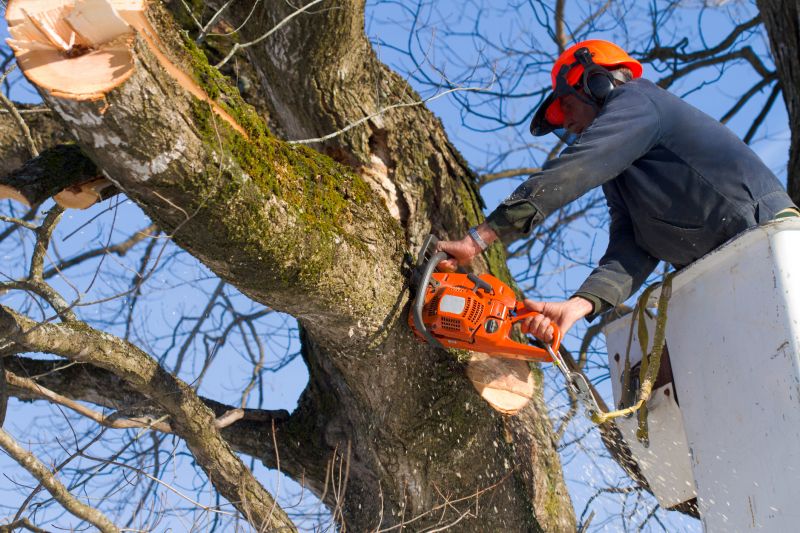
Tree removal during winter takes advantage of dormant trees and frozen ground, facilitating safer and more efficient work.
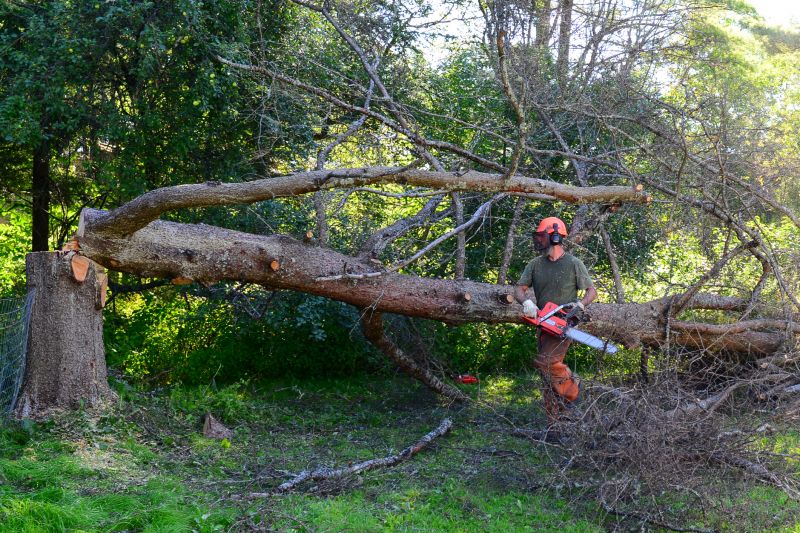
Spring removals may be necessary for safety or health concerns, despite active growth and wildlife activity.
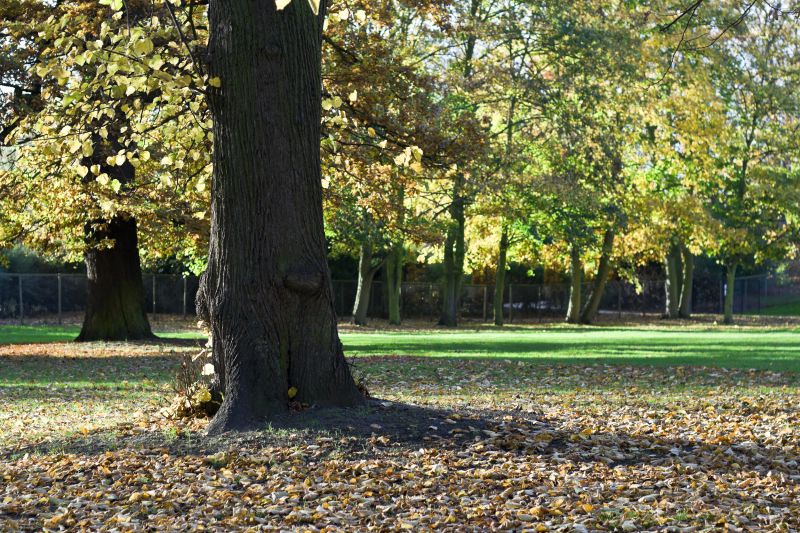
Early fall can be an optimal time for removal before winter weather complicates the process.
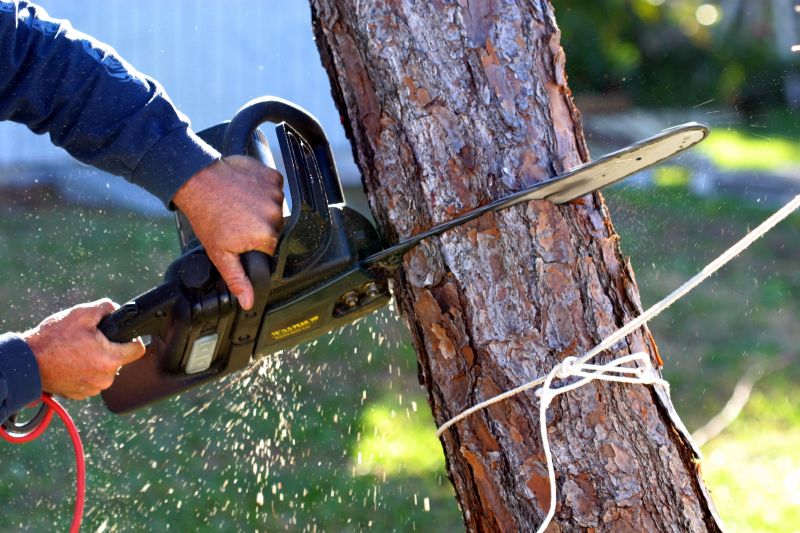
Ways to make Tree Removals work in tight or awkward layouts.
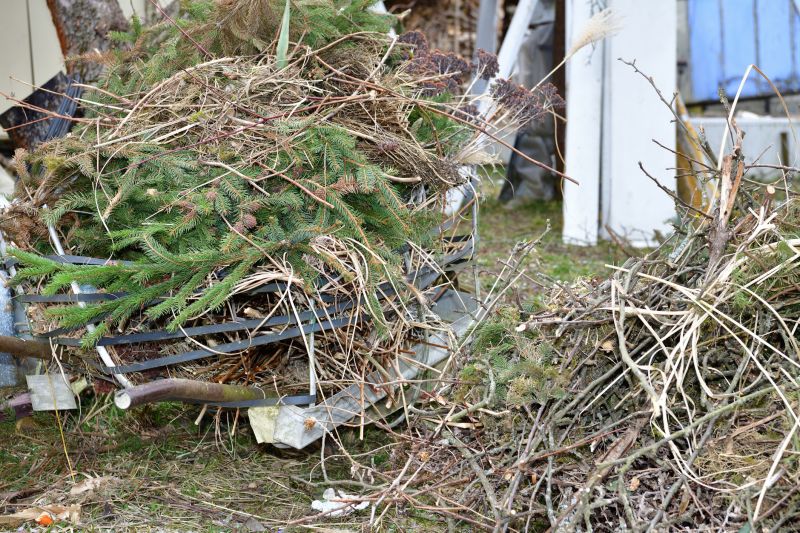
Popular materials for Tree Removals and why they hold up over time.
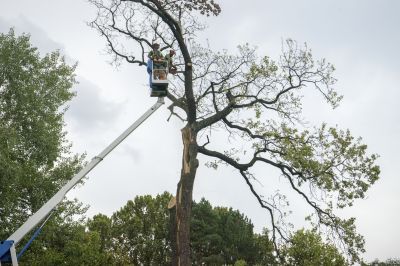
Simple add-ons that improve Tree Removals without blowing the budget.
| Season | Best Practices |
|---|---|
| Winter | Ideal for dormant trees; frozen ground aids equipment movement. |
| Spring | Use caution due to active growth and wildlife; emergency removals possible. |
| Summer | Avoid if possible due to active growth and heat stress; reserved for urgent cases. |
| Autumn | Good transitional period; early fall preferable before winter. |
| Weather Conditions | Avoid during heavy rain, snow, or high winds for safety reasons. |
Tree removals are a critical part of landscape management, safety, and property maintenance. Proper timing reduces risks associated with falling branches or trees, especially during storms or high winds. It also helps prevent damage to structures, power lines, and nearby vegetation. Accurate timing can also minimize ecological disruption and support property aesthetics.
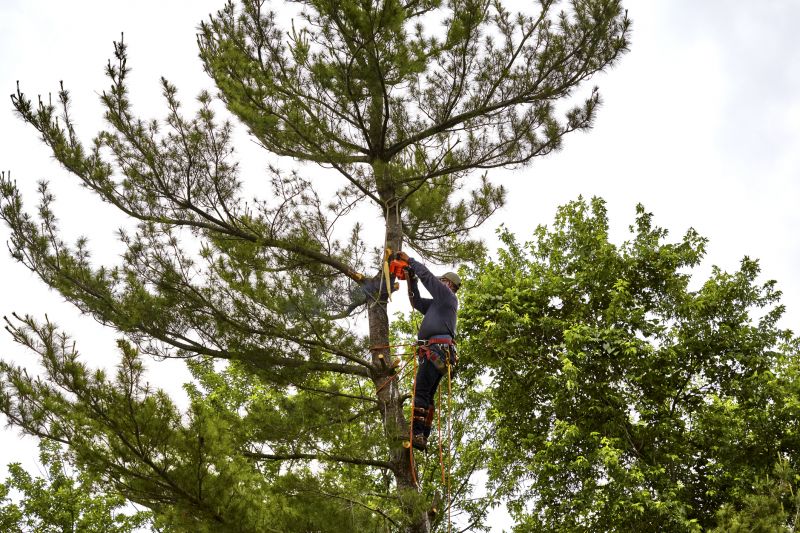
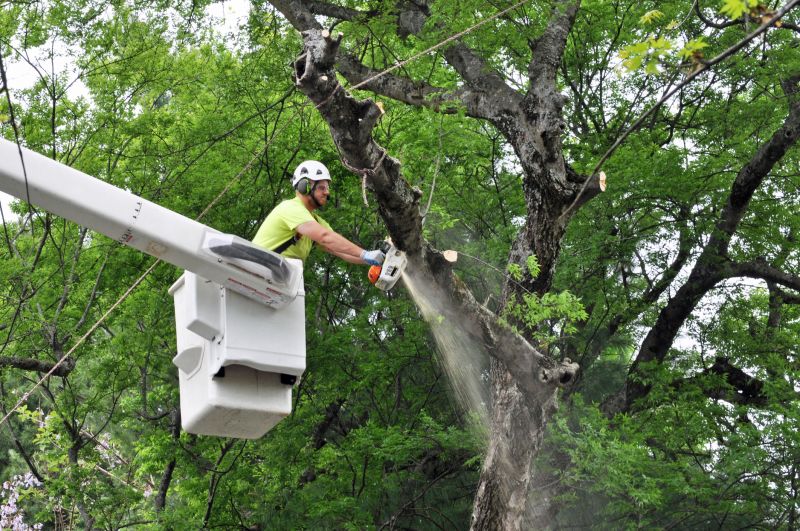
Specialized equipment is used for safe and efficient tree removal, especially during optimal seasons.
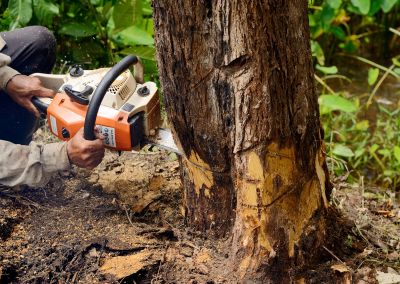
Winter removal minimizes impact on surrounding landscape due to dormancy and frozen ground.
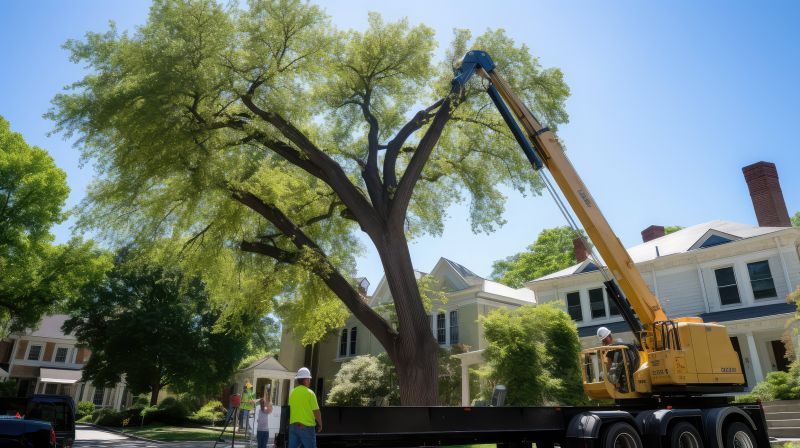
Spring removals require careful planning to avoid wildlife and active growth periods.
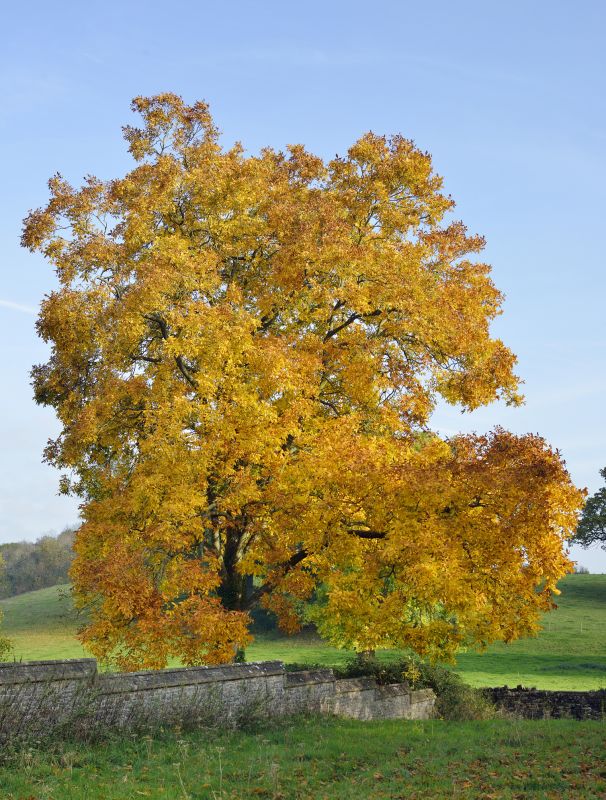
Early autumn is suitable for planning and executing removals before winter weather arrives.
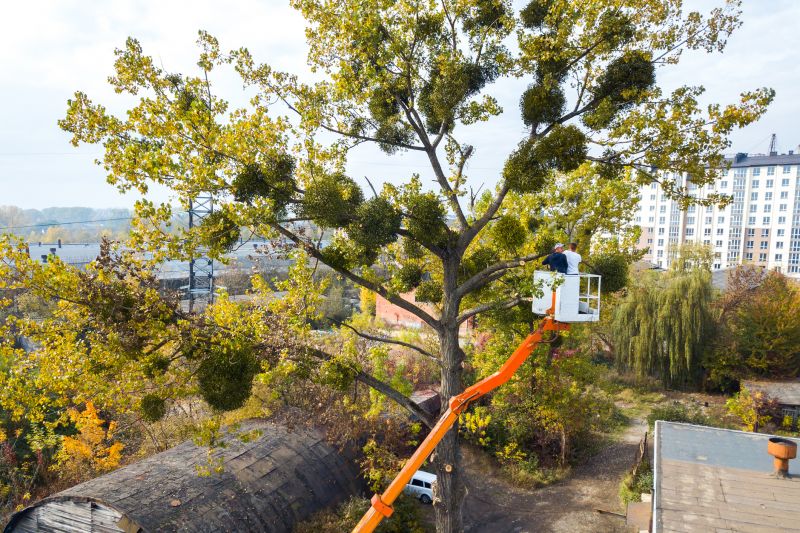
High-end options that actually feel worth it for Tree Removals.
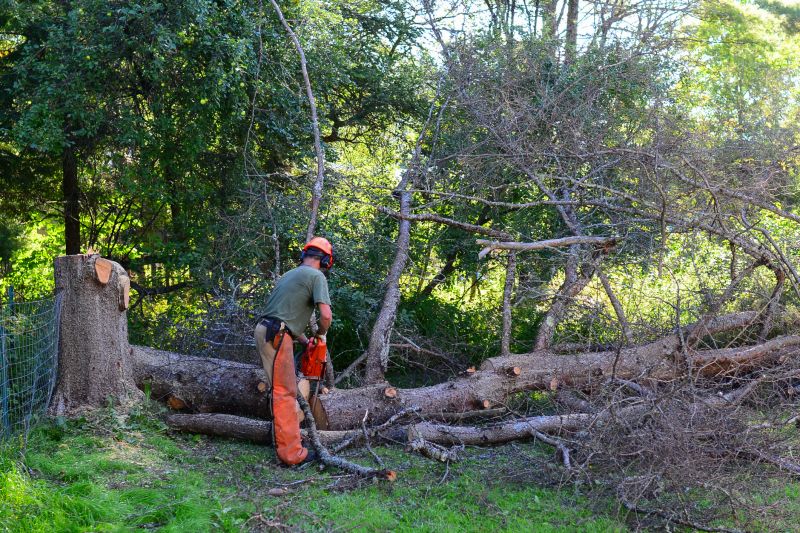
Finishes and colors that play nicely with Tree Removals.
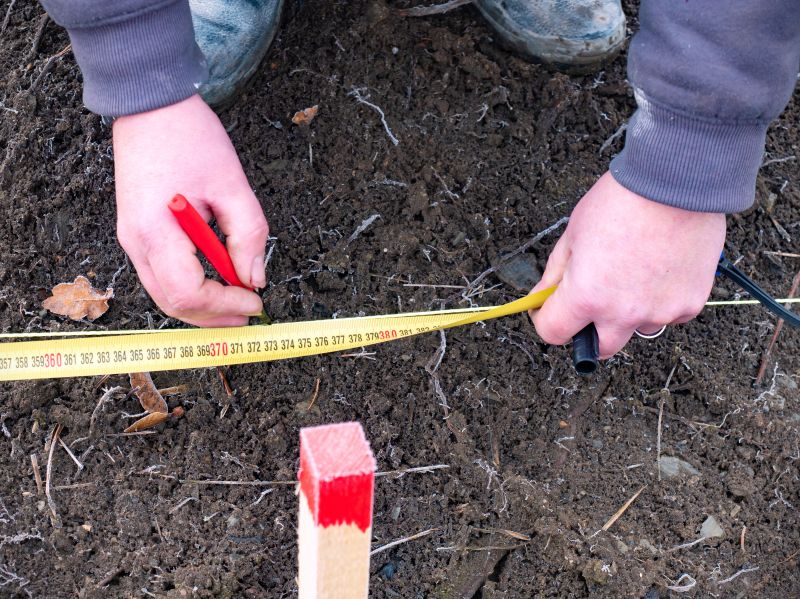
Little measurements that prevent headaches on Tree Removals day.
A 60-second routine that keeps Tree Removals looking new.
Interested in scheduling a tree removal? Filling out the contact form can provide more information and assistance tailored to specific needs and seasonal considerations.